
Discussions
Finding the Perfect Car Shipping Company in Canada: A Guide for Low-Income Individuals
Introduction
Hey there, fellow traveler of life's roads! So you've got a car and you're thinking about shipping it across the great Canadian expanse, but you're on a tight budget? No worries, I've got your back. In this article, we're going to explore the world of car shipping in Canada, and I'll make sure you're equipped with all the knowledge you need to find the best car shipping company Canada that won't break the bank.

Understanding Your Needs
Before we dive into the nitty-gritty, let's talk about your specific needs. Are you moving to a new province? Or maybe you've bought a car online from another part of the country? Whatever your situation, understanding why you need to ship your car will help you make the right choices.
Budget-Friendly Options
- Comparing Quotes: You want to save money, right? Well, start by getting quotes from different car shipping companies. This will give you a good idea of the average cost and help you identify any potential red flags.
- Open vs. Enclosed Transport: Open transport is cheaper, but your car will be exposed to the elements. Enclosed transport is pricier, but your car will be safer from the weather and road debris. Consider what's more important to you.
- Terminal-to-Terminal vs. Door-to-Door: Terminal-to-terminal shipping is cheaper, but you'll need to drop off and pick up your car from specific locations. Door-to-door service is more convenient but comes at a higher cost.
Researching Companies
- Online Reviews: You're not alone in this journey! Check out online reviews of car shipping companies. Look for experiences from people who were in a similar financial boat as you.
- Better Business Bureau (BBB) Ratings: The BBB provides ratings and customer feedback on various businesses, including car shipping companies. Aim for those with good ratings and minimal complaints.
- Word of Mouth: Reach out to friends, family, or coworkers who might have shipped their cars before. Personal recommendations can be goldmines of information.
Addressing Common Concerns
- Is My Car Insured During Shipping? Absolutely! Reputable car shipping companies provide insurance coverage for your vehicle during transit. Double-check the coverage details before making any decisions.
- How Long Will It Take? The time it takes for your car to arrive depends on factors like distance, route, and weather conditions. Generally, coast-to-coast shipping in Canada can take about 1-2 weeks.
- Can I Pack My Car with Personal Items? Some companies allow you to pack your car with personal items, but it's best to keep them minimal. Check with the company for their specific policies.
Making the Final Choice
- Cost vs. Quality: It's tempting to go for the cheapest option, but remember that quality matters. Don't compromise on reliability and safety for a few bucks.
- Customer Service: A friendly and responsive customer service team can make your experience smoother. Reach out to the companies you're considering and see how they treat you.
- Read the Fine Print: Don't skim over the terms and conditions. Make sure you understand all the details before signing any agreements.
Frequently Asked Questions
- How Much Does It Cost to Ship a Car Across Canada? The cost varies, but on average, you might be looking at around $800 to $1,500, depending on factors like distance and the type of transport.
- Can I Track My Shipped Car's Progress? Many car shipping companies provide tracking services, so you can keep an eye on your car's journey.
- Should I Wash My Car Before Shipping It? Yes, giving your car a good wash before shipping is a good idea. It makes it easier to inspect for any damage before and after shipping.
Conclusion
Hey, you've made it! Now you're armed with the knowledge you need to find the best car shipping company in Canada that fits your low-income budget. Remember, it's all about finding that sweet spot between quality and affordability. Safe travels, my friend, and may your car journey be as smooth as the open road itself!
Revamp Your Bathroom with Affordable and Stylish Vanity Units
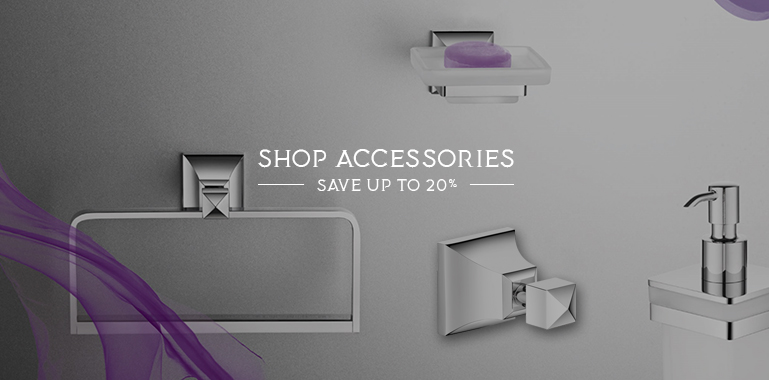
Is your bathroom in need of a makeover that won't break the bank? Look no further than bathroom vanity units! These nifty pieces of furniture not only add a touch of style to your space but also offer much-needed storage. Whether you're a DIY enthusiast or just looking for a budget-friendly upgrade, bathroom vanity units are here to save the day. Let's dive into everything you need to know about these bathroom essentials.
Why Bathroom Vanity Units?
Bathroom vanity units are like the unsung heroes of bathroom décor. They combine functionality with aesthetics, offering you a convenient space to store your toiletries while sprucing up your bathroom's overall look. Plus, they're available in various sizes, styles, and finishes, making it easy to find one that matches your taste and bathroom dimensions.
Bathroom vanity units are more than just pieces of furniture; they're the key to unlocking a fresh and inviting bathroom space without emptying your wallet. These units blend practicality with aesthetics, offering a dedicated spot to stow away toiletries and daily essentials while simultaneously enhancing the overall look and feel of your bathroom. With various sizes, styles, and finishes available, you can effortlessly find a vanity unit that aligns with your personal taste and fits snugly into your bathroom's dimensions. So, if you're seeking a cost-effective way to give your bathroom a much-needed upgrade, consider the charm and functionality that bathroom vanity units bring to the table.
Types of Vanity Units
Freestanding Vanity Units: These standalone units are versatile and can fit into bathrooms of all sizes. They come with a sink and storage, giving you a complete package.
Wall-Mounted Vanity Units: Perfect for small bathrooms, these units are mounted on the wall, freeing up valuable floor space and giving the illusion of a larger room.
Corner Vanity Units: If you have an awkward corner in your bathroom that you're not sure what to do with, a corner vanity unit might be your solution. It optimizes the available space and adds a unique touch.
Benefits of Affordable Vanity Units
Cost-Effective: Low-income folks, we've got your back! Affordable vanity units allow you to spruce up your bathroom without draining your wallet.
Storage Solutions: Say goodbye to cluttered countertops. With vanity units, you'll have a designated spot for your toiletries, keeping your bathroom organized and tidy.
Easy Installation: Most vanity units come with clear instructions and are designed for easy installation. No need to hire a professional unless you want to!
Style Upgrade: A simple vanity unit can completely transform the vibe of your bathroom. Choose from modern, rustic, or traditional styles to match your preference.
Trending Questions About Bathroom Vanity Units
How much does a bathroom vanity unit cost?
Affordable vanity for bathrooms can start as low as $100, depending on size and features. You'll find options that fit your budget without compromising on style.
Can I install a vanity unit myself?
Absolutely! Many vanity units are designed for DIY installation. Just follow the instructions provided, and you'll have your vanity unit up and running in no time.
What size vanity unit do I need for my bathroom?
Measure the available space in your bathroom and consider how much storage you need. Freestanding, wall-mounted, or corner units come in various sizes to fit any bathroom layout.
Are vanity units water-resistant?
Most vanity units are designed to withstand bathroom humidity. However, be sure to check the product specifications to ensure they're suitable for your bathroom environment.
Final Thoughts
Updating your bathroom with an affordable vanity unit is a smart move that adds both functionality and style to your space. Whether you're aiming for a small change or a significant transformation, these units cater to your needs without burning a hole in your pocket. Embrace the DIY spirit and create a bathroom that reflects your personal taste, all while staying within your budget. Your dream bathroom is just a vanity unit away!
Most Common Reasons For Engine Oil Leakage In Auto's
Engine oil leakage in cars can occur due to various reasons. Identifying and addressing the underlying causes is crucial to prevent damage to the engine and ensure proper vehicle function. Here are some common reasons for engine oil leakage in cars:
These Are Some Useful Hacks To Optimize Your Car Running Expenses

Correct Your Driving If You Manifest Keeping Your Car Better For Longer Time

Correct Your Driving If You Manifest Keeping Your Car Better For Longer Time
Here Are Major Mechanical Failures That Turn Out To Be Fatal On The Road
People may not want to talk about this matter because they may find it frightening to think about a car accident, even in their dreams, but is there any other way to prevent such issues besides good fortune? In addition to negligent driving, mechanical failure also contributes to fatal auto accidents. When a vital component completely fails, such as when the brakes fail, the tyres blow out, or even the engine fails while driving, this is known as mechanical failure.
Correct Your Driving If You Manifest Keeping Your Car Better For Longer Time
Correct Your Driving If You Manifest Keeping Your Car Better For Longer Time
A Guide to the Surgical Vascular Tunneler: Your Essential Vascular Tunneler Kit
Introduction:
In the field of medicine, surgical procedures often require precise and delicate techniques. One such tool that aids surgeons in performing vascular surgeries is the Surgical Vascular Tunneler. In this article, we will explore what a Vascular Tunneler is, its components, how it works, and its importance in surgical procedures. Whether you're a medical professional or an individual seeking information, this guide aims to provide a comprehensive overview of the Vascular Tunneler and its relevance.
What is a Surgical Vascular Tunneler?
A Surgical Vascular Tunneler is a specialized tool used in surgical procedures involving blood vessels. It is designed to create tunnels under the skin, allowing the passage of various medical devices, such as catheters or wires, through blood vessels. The Vascular Tunneler facilitates the process of accessing and treating specific areas within the vascular system.
Components of a Vascular Tunneler Kit:
A typical Vascular Tunneler Kit consists of the following components:
Vascular Tunneler: The main tool used to create the tunnels.
Dilator: A tapered instrument that widens the tunnel created by the Vascular Tunneler, allowing for the insertion of medical devices.
Sutures: Threads used to secure the blood vessels after the procedure.
Sterile drapes and gauze: Used to maintain a sterile field during the surgery.
Local anesthetic: Numbs the area where the tunneling will occur, ensuring patient comfort.
How Does a Vascular Tunneler Work?
The Vascular Tunneler is carefully inserted beneath the skin, near the target blood vessel. With gentle pressure, it creates a pathway, or tunnel, for the medical device to travel through. The dilator is then used to widen the tunnel, providing enough space for the device to pass smoothly. The surgeon can guide the medical device through the tunnel and into the blood vessel, allowing for necessary treatments or interventions.
Benefits and Importance of a Vascular Tunneler:
The use of a Vascular Tunneler offers several benefits and plays a crucial role in surgical procedures:
Precision: The Vascular Tunneler enables surgeons to create accurate and controlled tunnels, reducing the risk of injury to surrounding tissues.
Minimally Invasive: By using tunnels instead of large incisions, vascular surgeries can be less invasive, resulting in reduced scarring and faster recovery times for patients.
Versatility: Vascular Tunnelers can be used in various procedures, such as angioplasty, stenting, or catheter insertion, making them an essential tool for vascular surgeons.
Common Surgical Procedures that Utilize a Vascular Tunneler:
Vascular Tunnelers are frequently used in the following surgical procedures:
Angioplasty: Inflating a balloon to widen narrowed or blocked blood vessels.
Stenting: Inserting a mesh-like tube to keep a blood vessel open.
Central Venous Catheter Insertion: Placing a catheter into a large vein for long-term medication administration or dialysis.
Arteriovenous Fistula Creation: Connecting an artery and vein for hemodialysis access.
Frequently Asked Questions about Vascular Tunneler Kits:
Q1: Are Vascular Tunnelers reusable?
A: No, Vascular Tunnelers are typically single-use devices to ensure sterility and prevent cross-contamination.
Q2: How much does a Vascular Tunneler Kit cost?
A: The cost of a Vascular Tunneler Kit varies depending on the brand, specifications, and supplier. It is advisable to consult medical supply companies or healthcare providers for pricing information.
Q3: Can I purchase a Vascular Tunneler Kit if I have a limited budget?
A: If you have a limited income, it is recommended to reach out to local healthcare providers, clinics, or charitable organizations that may provide assistance or resources for medical equipment.
Conclusion:
The Surgical Vascular Tunneler is an indispensable tool in vascular surgery, enabling surgeons to perform intricate procedures with precision and minimal invasiveness. Its role in creating tunnels for medical devices within the vascular system helps improve patient outcomes and promotes faster recovery. If you require a Vascular Tunneler Kit, it is best to consult healthcare providers or explore assistance options in your community to address any financial limitations. Remember, proper medical guidance and professional support are crucial when considering any surgical procedure.